Your car’s power steering pump is a vital component that ensures smooth and effortless steering.
When it begins to fail, you may notice a range of unusual symptoms that, if left unchecked, can lead to more serious issues and expensive repairs. Diagnosing these symptoms early can save you time, money, and potential safety risks.
In this guide, we’ll explore the common signs of a failing power steering pump and how you can identify them.
What Does the Power Steering Pump Do?
The power steering pump plays a critical role in your car’s steering system. It provides hydraulic pressure that helps you turn the wheel with minimal effort, especially at lower speeds.
Without it, steering would feel heavy and difficult, making your driving experience less comfortable and more physically demanding.
When the power steering pump begins to fail, its ability to generate the necessary pressure diminishes, leading to noticeable changes in how your car steers.
Common Symptoms of a Failing Power Steering Pump
Here are some of the key warning signs that your power steering pump might be on its way out:
1. Whining or Groaning Noises
One of the most common indicators of a failing power steering pump is strange noises coming from under the hood. If you hear a whining or groaning sound when turning the wheel, this could mean that the pump is struggling to function properly. The noise typically results from a lack of fluid, worn-out components, or air bubbles in the power steering system.
What to Do:
- Check the power steering fluid level.
- Look for leaks in the system that may be causing low fluid levels.
2. Stiff or Hard Steering
A failing power steering pump can make steering feel stiff or heavy, especially during low-speed maneuvers like parking or making sharp turns. This symptom occurs because the pump isn’t generating enough hydraulic pressure to assist with steering.
What to Do:
- Test the steering at different speeds.
- If the stiffness worsens over time, have the system inspected by a professional.
3. Squealing Noises Upon Startup
A high-pitched squealing sound when you start your car or turn the wheel can point to a problem with the power steering pump. This noise often occurs when the pump’s belt is loose or worn out. While not always a direct pump failure, it’s a symptom worth investigating.
What to Do:
- Inspect the power steering belt for wear or slack.
- Replace the belt if it appears damaged or frayed.
4. Fluid Leaks
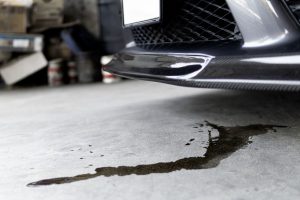
Power steering fluid leaks are a clear sign of trouble. The fluid is essential for the pump’s operation, and leaks can quickly lead to performance issues. You might notice reddish or brownish puddles under your car, particularly near the front.
What to Do:
- Inspect the area under your car for fluid leaks.
- Check the power steering reservoir for fluid levels and potential cracks.
5. Unresponsive Steering
If the steering wheel becomes unresponsive or feels delayed when you turn it, the power steering pump might not be delivering the necessary pressure. This issue can create a dangerous driving situation if not addressed promptly.
What to Do:
- Avoid driving long distances if you notice unresponsive steering.
- Schedule an inspection to determine if the pump or another component is the root cause.
6. Burning Smell
A burning smell coming from your car could be another indicator of a failing power steering pump. This often happens when the pump overheats due to low fluid levels or excessive strain. The overheating can damage the pump and surrounding components.
What to Do:
- Check the fluid levels immediately.
- Refill with the recommended power steering fluid if levels are low, and monitor for leaks.
Diagnosing the Issue Yourself
While it’s always best to consult a professional mechanic for accurate diagnosis and repair, you can take some initial steps to identify power steering pump problems:
- Inspect the Power Steering Fluid: Check the fluid level and color. Low fluid levels or dark, dirty fluid could signal trouble.
- Test the Steering: Try turning the wheel at various speeds to see if stiffness or unusual noises occur.
- Look for Leaks: Check under the hood and beneath the car for signs of fluid leaks.
- Listen for Sounds: Pay attention to whining, groaning, or squealing noises when steering.
- Feel for Heat: If the pump feels excessively hot after driving, it could be overheating.
When to Seek Professional Help
If you notice one or more of these symptoms, it’s crucial to address the issue as soon as possible. Driving with a failing power steering pump can put additional stress on other parts of the system, leading to more extensive damage.
A qualified mechanic can:
- Perform a thorough inspection of the power steering system.
- Identify the exact cause of the problem.
- Repair or replace the pump and any other affected components.
Preventing Future Power Steering Pump Issues
Regular maintenance can go a long way in extending the life of your power steering pump.
Here are some tips to keep it running smoothly:
- Check Fluid Levels Regularly: Maintain the proper fluid level and top off as needed.
- Replace Old Fluid: Flush and replace the power steering fluid according to your car manufacturer’s recommendations.
- Inspect Belts and Hoses: Check for wear and replace damaged parts promptly.
- Address Leaks Immediately: Small leaks can quickly escalate into bigger problems.
Conclusion
Diagnosing a failing power steering pump early is essential to maintaining your car’s performance and safety. By staying vigilant for signs like whining noises, stiff steering, and fluid leaks, you can take action before the problem worsens.
Regular maintenance and prompt repairs will not only save you money but also ensure a smoother, safer driving experience.
If you’re unsure about the symptoms or how to fix them, don’t hesitate to seek professional assistance.
Your power steering system is crucial for safe and effortless driving, so keep it in top condition!